Injury Prevention
Because rebounding is inherently low-impact, users often fall into a false sense of security, abandoning proper biomechanics. Preventing injury on a dynamic surface requires absolute presence of mind. Your stance dictates your stability.
The Power Posture: Maintain a strict athletic stance. Feet shoulder-width apart, knees slightly bent, and pelvis tucked slightly forward to protect the lumbar spine.
Downward Focus: The energy of a rebounder workout comes from pushing down into the mat, not jumping high into the air. High jumps severely compromise stability.
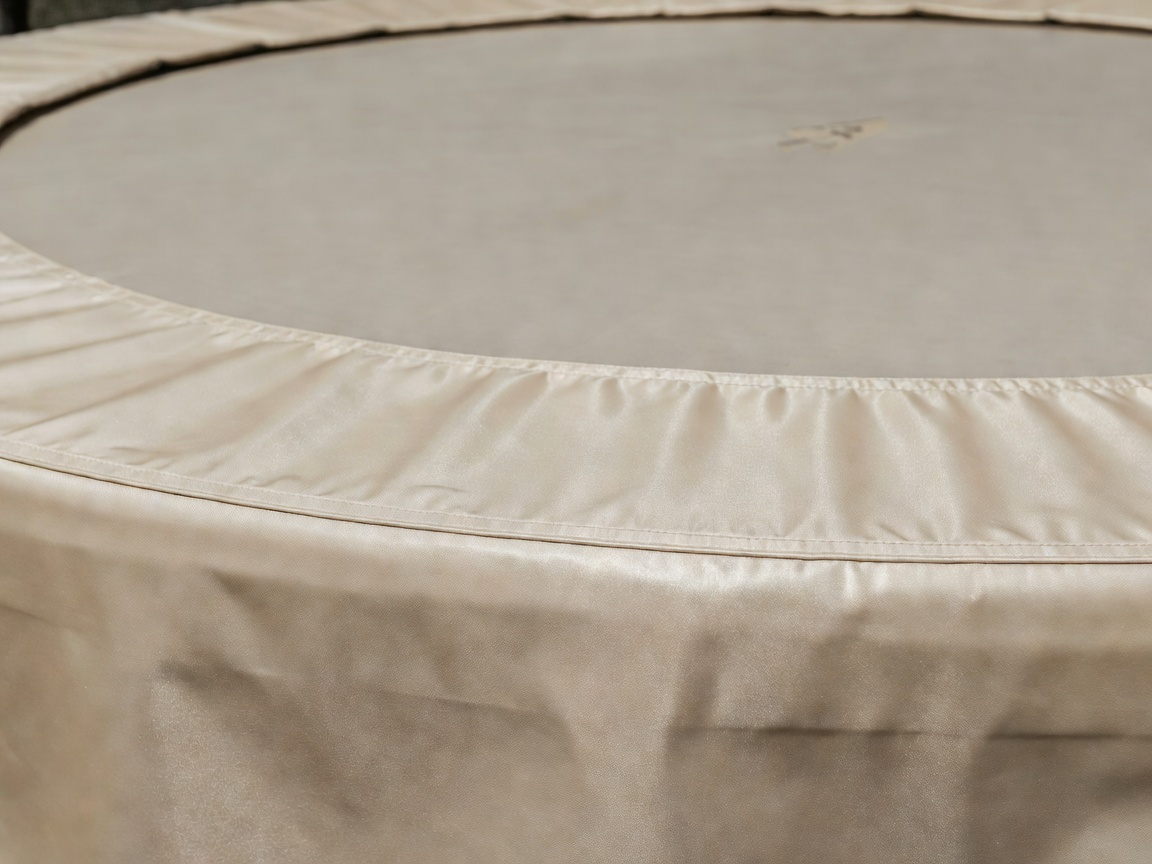
Footwear and Floor Placement
Your connection to the mat is vital. While some purists prefer barefoot bouncing to build intrinsic foot strength, adults new to rebounding should always wear supportive, flat-soled athletic sneakers to prevent lateral ankle rolls.
Furthermore, ensure your equipment is positioned on a flat, non-slip surface, entirely clear of overhead obstructions or sharp furniture corners.
Safe Routines